
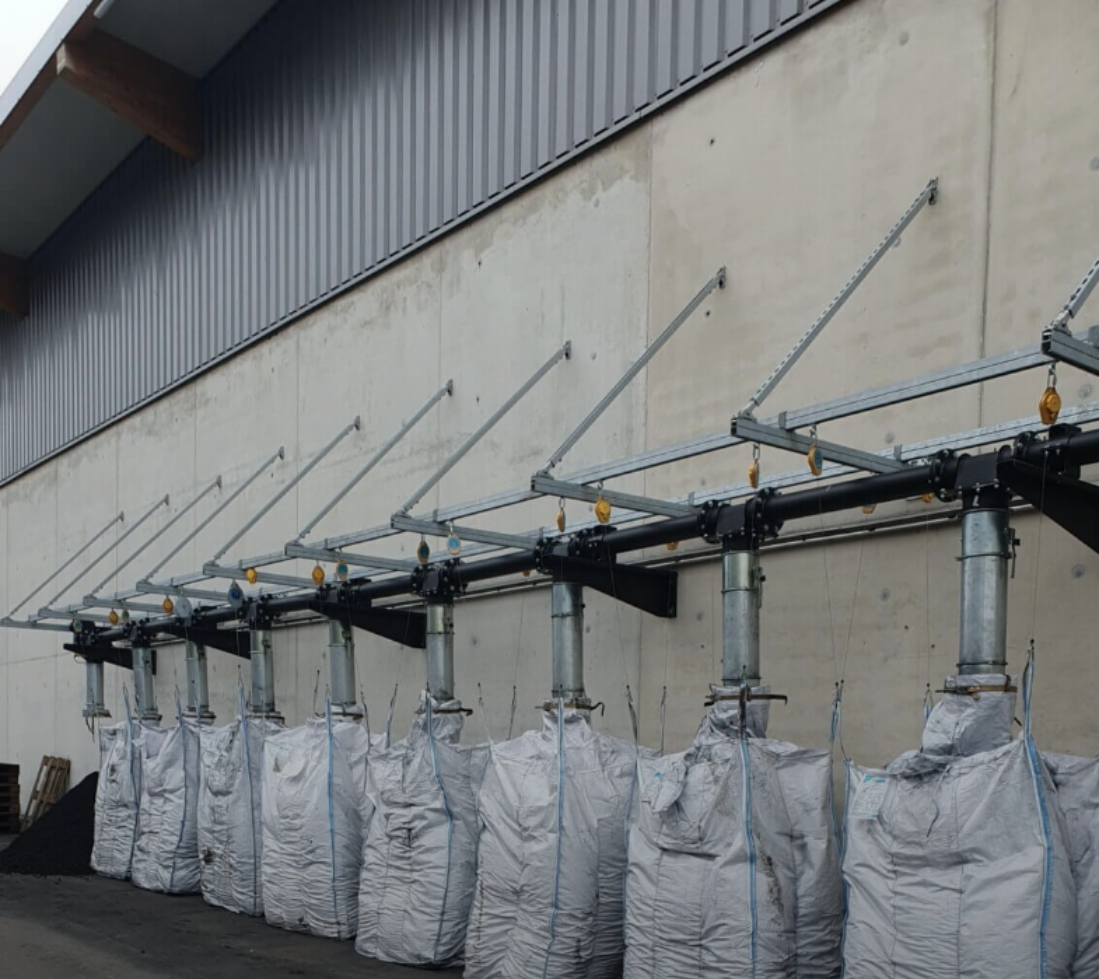
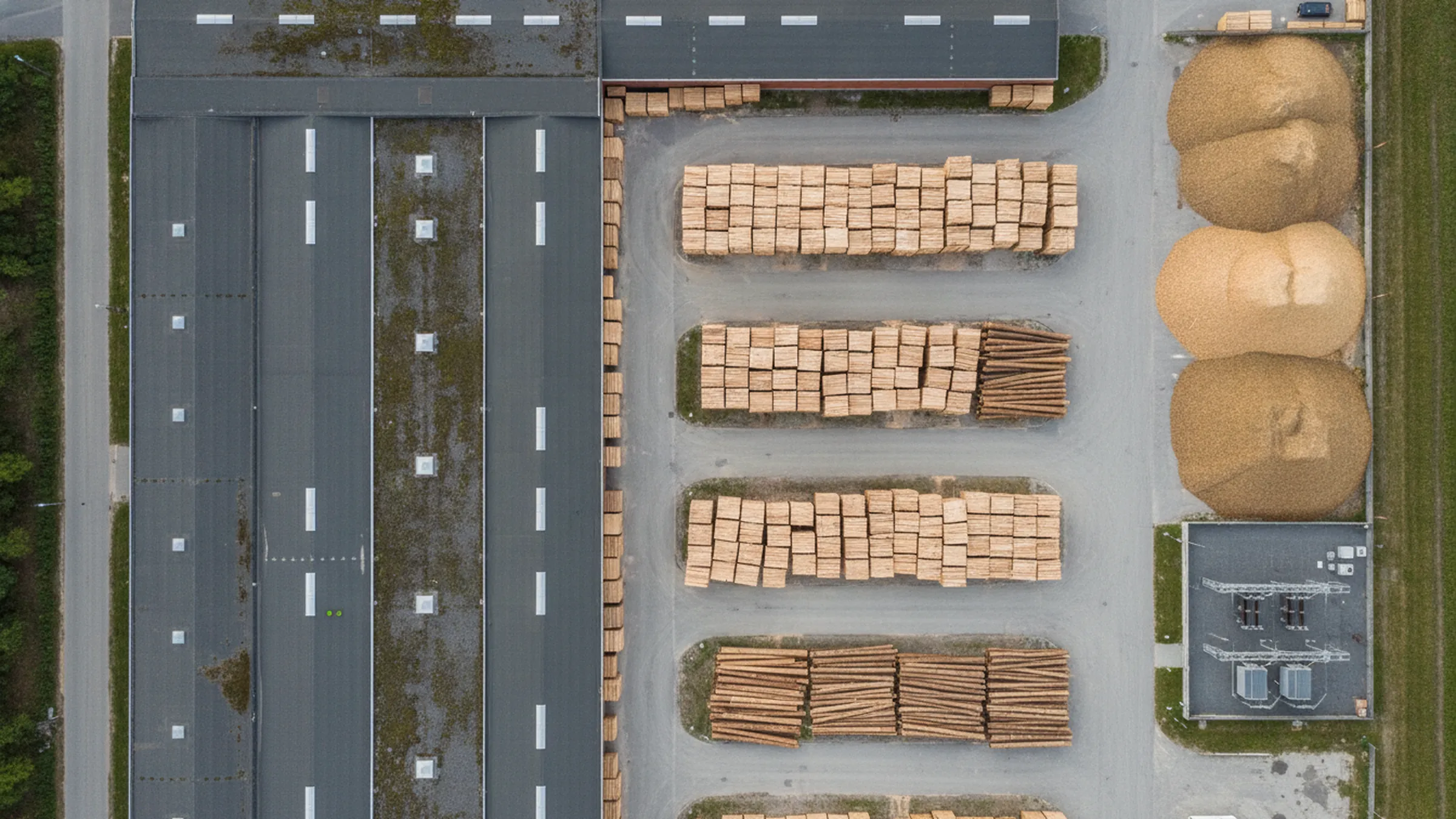
Residual biomass
Pyrolysis plants for businesses with residual biomass
A pyrolysis plant turns your residues into stable biochar. The extracted heat covers your own demand.
Benefits
Why businesses with residual biomass turn to pyrolysis
Fluctuating residue prices and rising freight costs burden profitability. Drying and processes consume large volumes of heat at the same time. On-site recovery closes this loop within your own operation.
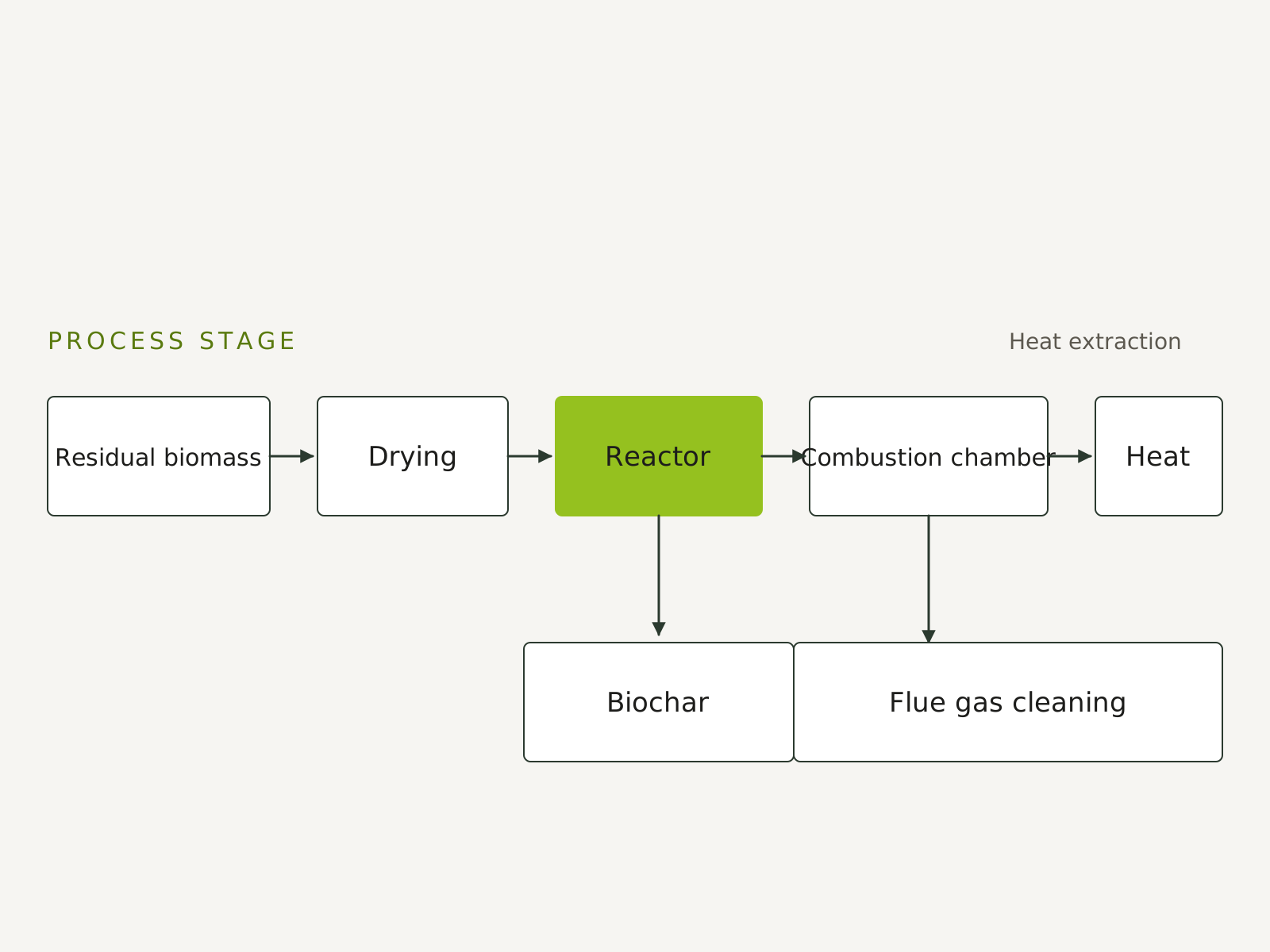
The pyrolysis gas burns in the combustion chamber and a heat exchanger extracts the energy as hot water or steam.
Recover your own residues first.
Disposal costs disappear because the materials stay in the operation.
Heat for drying and processes directly on site.
In figures
What a plant delivers
Biomacon plants, calculated at around 8,000 operating hours per year.
160 to 900 kW
Thermal output
Heat from biomass, available year-round.
145 to 815 t/a
Biochar
Output per plant and year.
390 to 2,200 t CO₂/a
CO₂ certificates
1 t of biochar binds around 2.7 t of CO₂ equivalent.
Benefits
Residues deliver heat and revenue
Your residues become raw material. They produce heat, biochar and plannable revenue.
No fuel purchasing
Your own residues provide the energy. You do not have to buy fuel.
Heat on site
Base-load heat for drying chambers and processes, all year round.
Biochar
An additional product from your own residue, EBC-capable.
Biomass delivery in the DACH region
Your own residues first: your materials are the focus. Through our regional supplier network we add suitable biomass where needed and plan the supply with you.
- Your own residues first
- Delivery added where needed
- Supply and volumes planned with you
Materials
Which residues come into question
Wood residues, paper sludges and grain husks behave differently. Grain size, moisture and accompanying substances are decisive.
Wood residues
Wood chips, sawdust and bark with a high carbon content.
Paper sludges
Fibre-rich residues from paper production.
Grain husks
Dry residues from grain processing.
Suitability check
What fits, what we check
Not every residue is suitable. The preliminary assessment separates clearly.
Geeignet
- Dry, carbon-rich materials
- Uniform grain size
- Low accompanying substances
Im Einzelfall pruefen
- Wet or strongly fibrous materials: Check suitability case by case
- Materials with interfering components: The preliminary assessment clarifies suitability
- Unclear volumes and moisture: Volume and moisture analysis clarifies it
Reactor technology matching your material
Your residues differ in grain size and water content. Paper sludge behaves differently from dry sawdust. The technology must match your residues, your heat demand and your workflow.
- Assessment of leading reactor types, independent.
- Technology for wood chips, sawdust and bark.
- Flue gas cleaning and heat extraction designed for continuous operation.
Potential analysis
How much residue do you produce?
Every operation has its own residues and volumes. A volume and moisture analysis forms the foundation for your investment decision.
Volumes and moisture
We review residue volumes and moisture levels for your site.
Heat output
We calculate the usable heat output from your operating data.
Biochar volume
We estimate the annual biochar volume for your project.
Integration
We clarify the technical integration points in your operation.
Process
From first meeting to operation
- 01
Preliminary assessment: clarify site, demand and permitting status.
- 02
Site and biomass: define volumes, moisture and supply.
- 03
Concept and profitability: calculate sizing, revenue and funding.
- 04
Construction and commissioning: installation, connection and handover.
- 05
Operation and marketing: use the heat, monetize carbon and certificates.
Practice and partners
Technology from established manufacturers
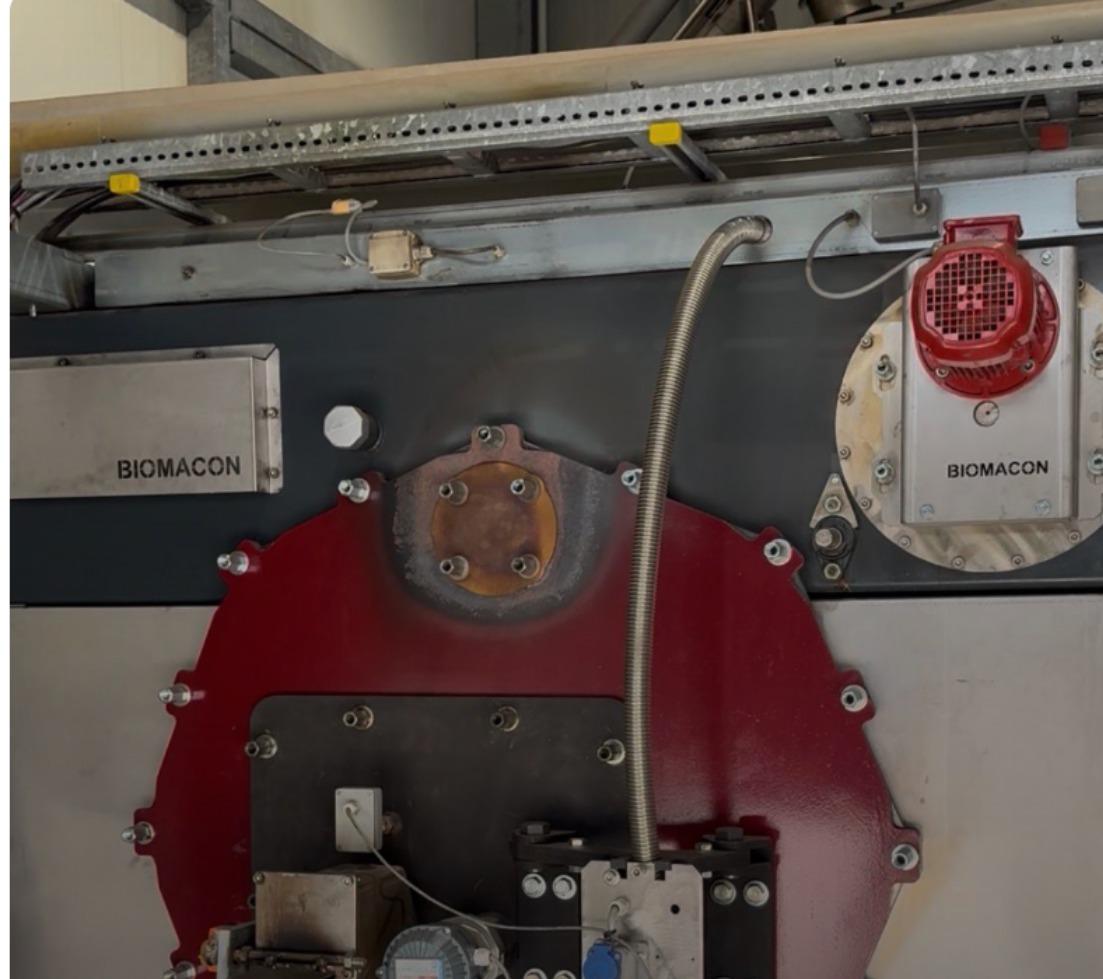
We work manufacturer-independent, among others with Biomacon.
The integrated systems run in continuous industrial operation. We are happy to invite you to tour a running plant.
Plant tours →Practice
Plant tours on site
Tour a carbonization plant in operation. You speak with operators and see the technology in daily use.
Request a quote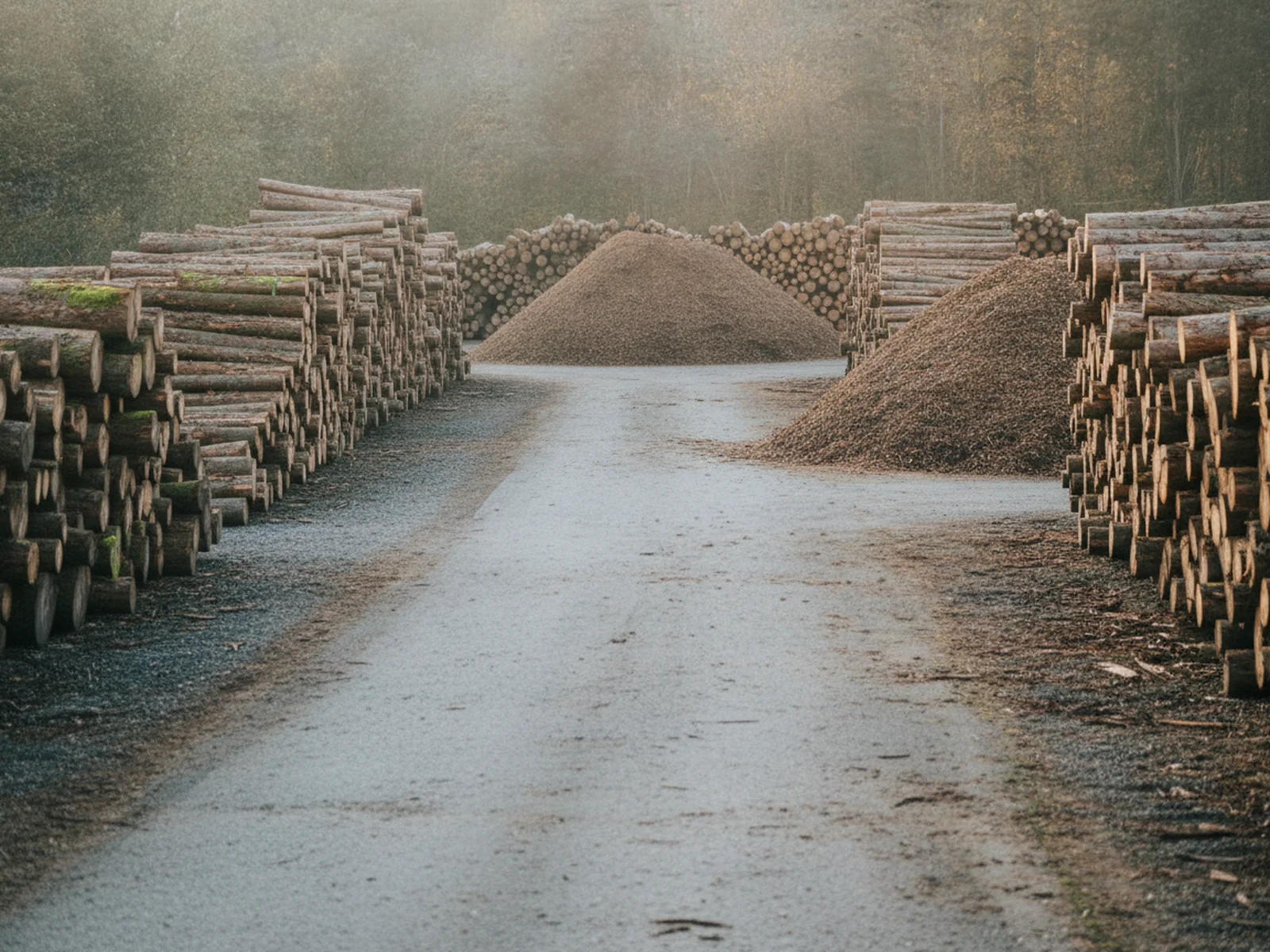
FAQ
Frequently asked questions
What does the preliminary assessment cost? +
The preliminary assessment is our entry product. Details are on the offer page.
Which funding is available? +
Funding review at federal, state and EU level. Details are on the offer page.
Which residues are suitable? +
Wood residues, paper sludges and grain husks. Grain size, moisture and accompanying substances are decisive. We check suitability in the preliminary assessment.
Do we have to buy fuel? +
Your own residues first: your materials are the focus. Through our regional supplier network we add suitable biomass where needed.
Next step
Review the potential of your residual biomass.
We use your real operating data to determine the yield of heat and biochar. You receive a sound basis for your project.
You will receive a non-binding response within 24 hours.