
Pyrolysis process
Pyrolysis step by step
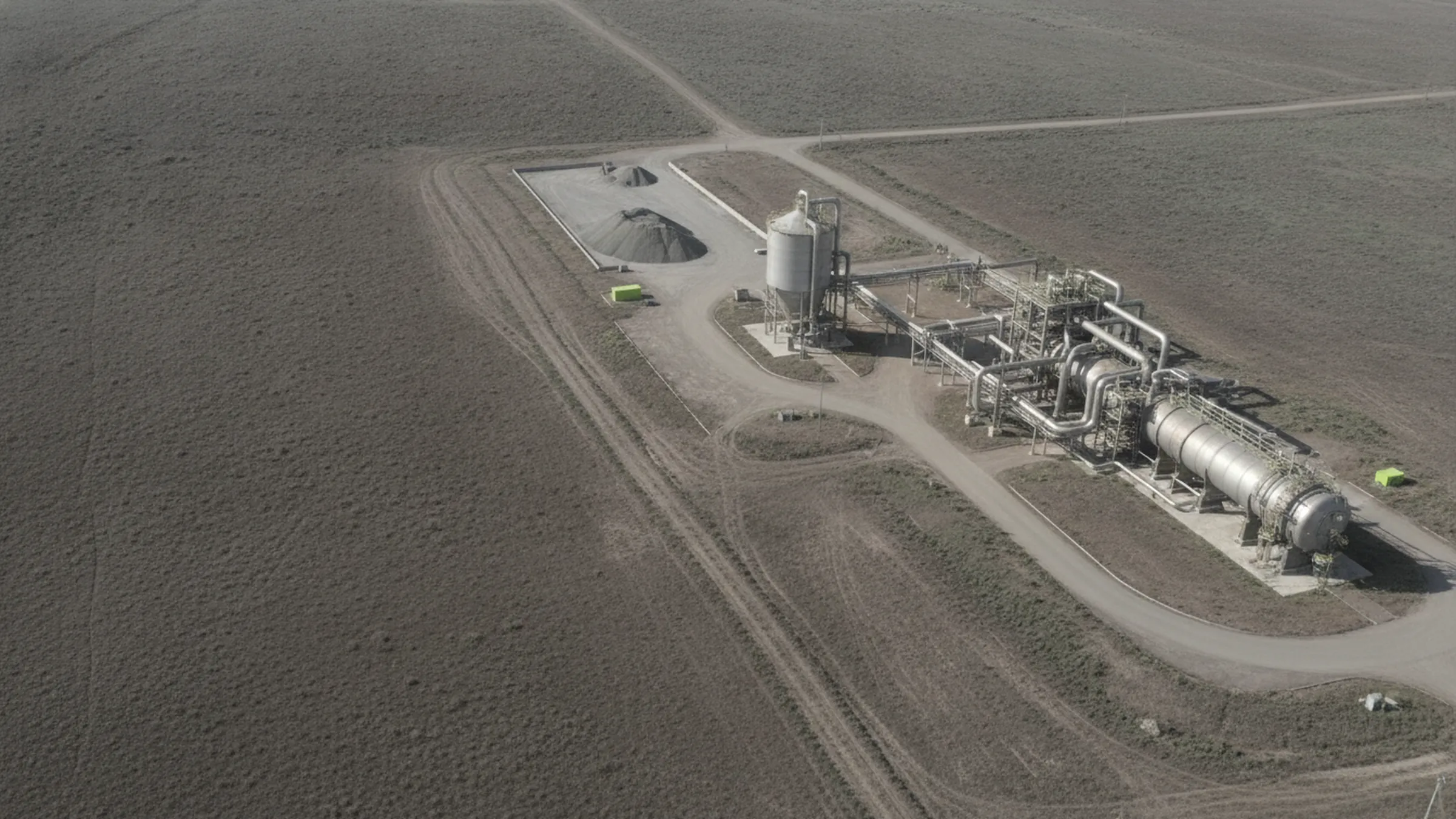
Biomass is dried, carbonized with the exclusion of oxygen and discharged. One process produces heat, biochar and CO₂ sinks.
The process
Your path from residue to product
Carbonization runs in clearly separated steps. Click through the stations.
Step 01
Substrate feed
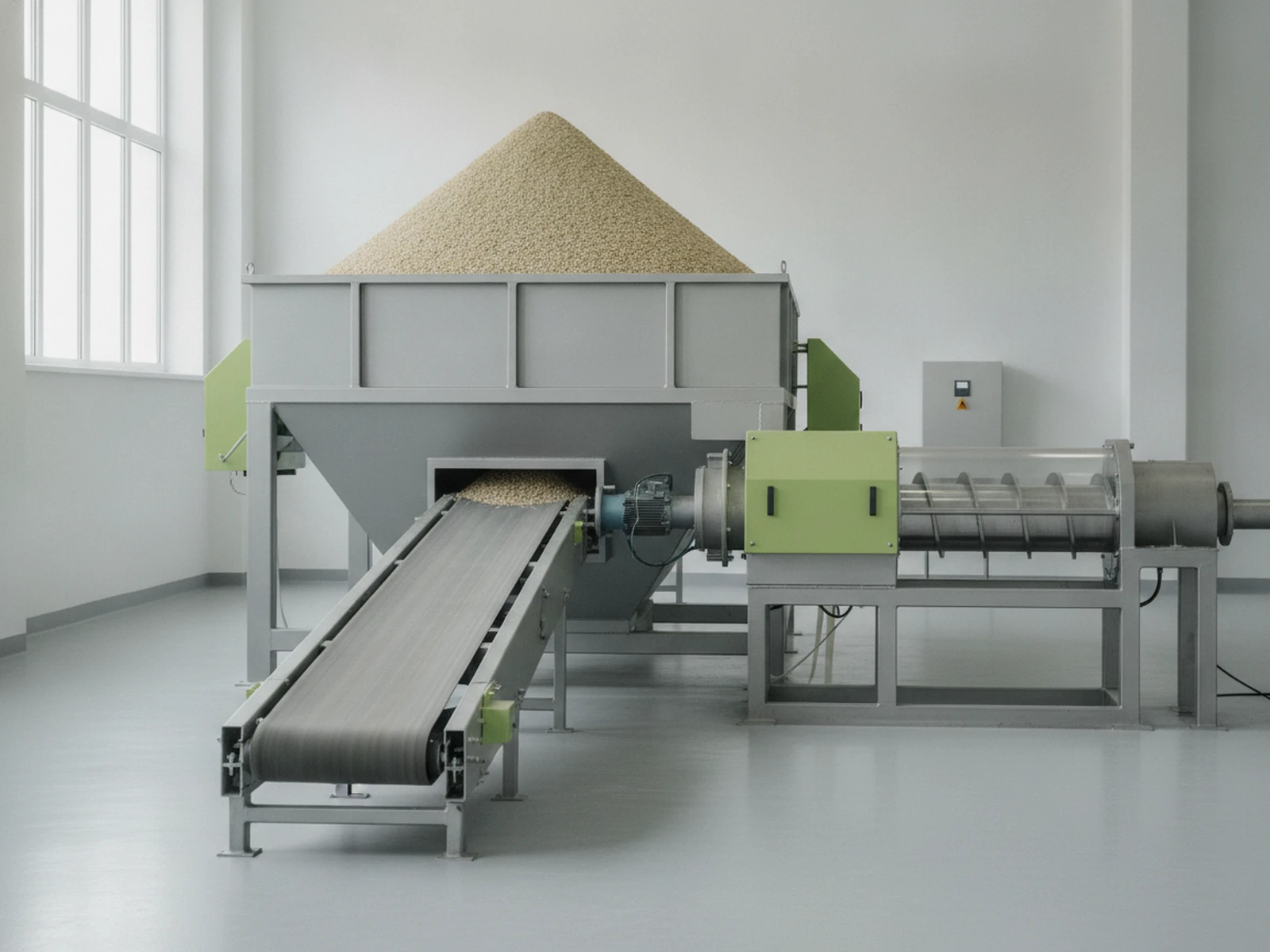
The input material is dried and fed into the plant via a screw system. The plant runs thermally self-sufficient and fully automatic.
- at least 80 % dry matter
- screw system
- thermally self-sufficient
Step 02
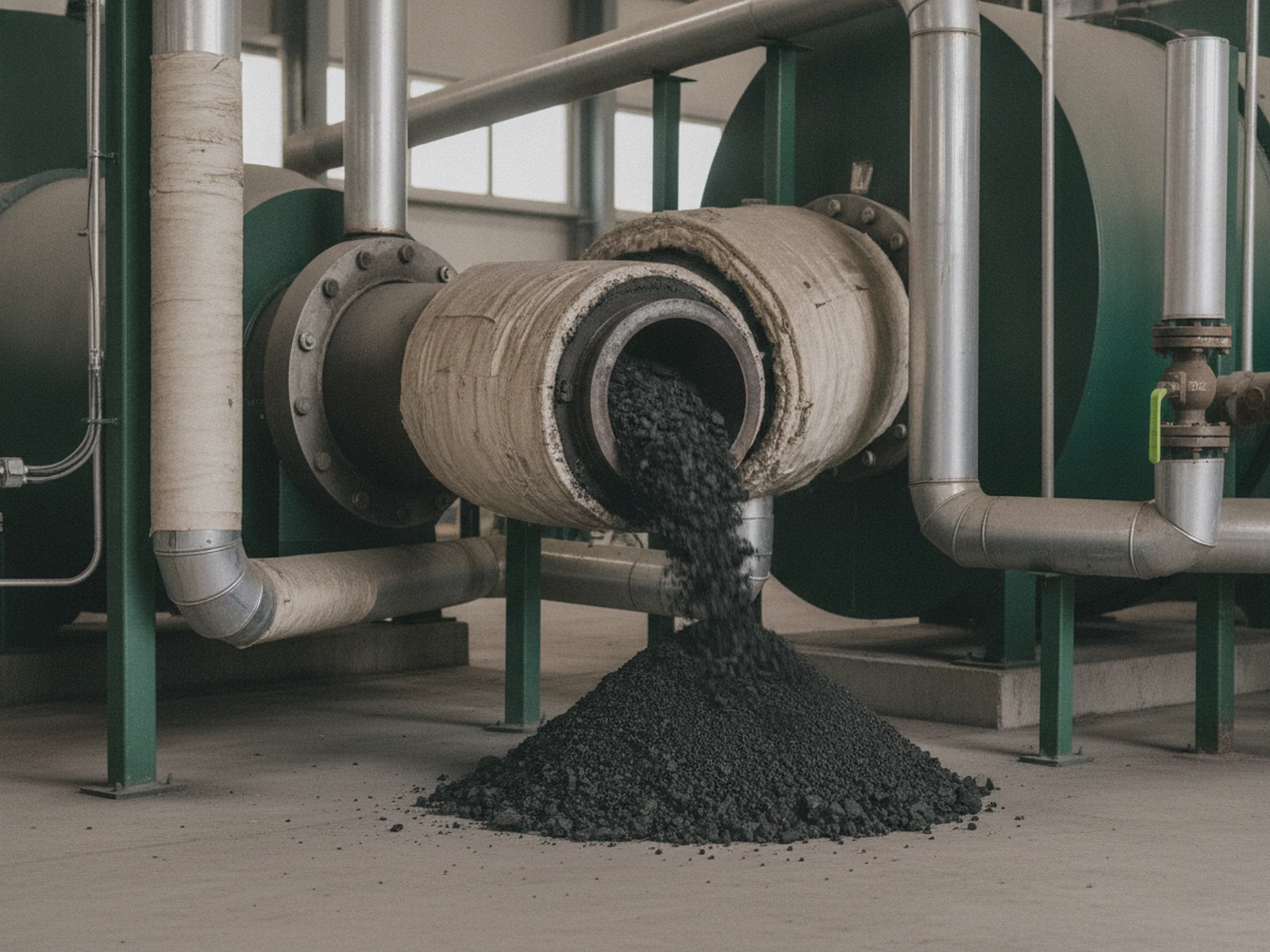
Thermochemical carbonization
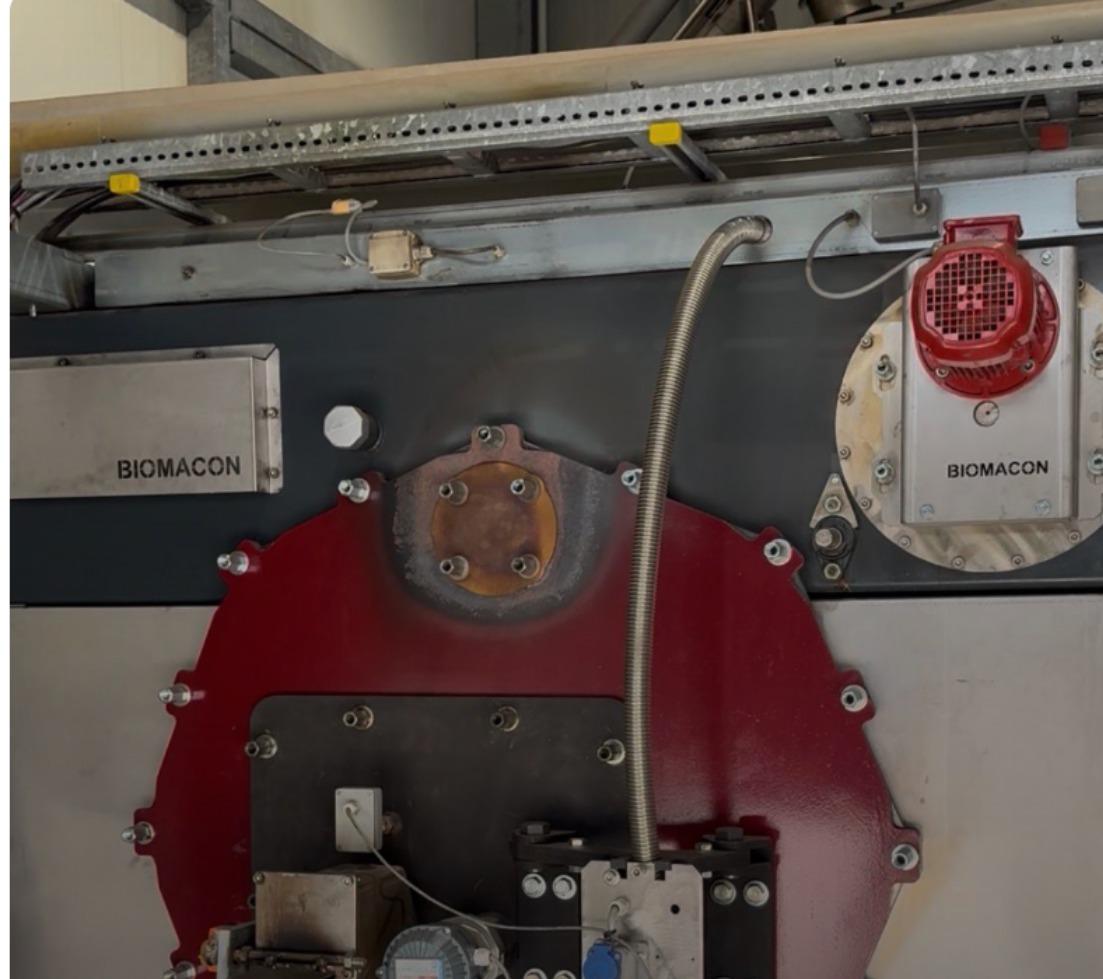
The material carbonizes in the reactor screw with the exclusion of oxygen. Part of the heat remains in the process and is available as waste heat.
- 500 to 900 °C
- exclusion of oxygen
- 30 % of the thermal output as waste heat
Step 03
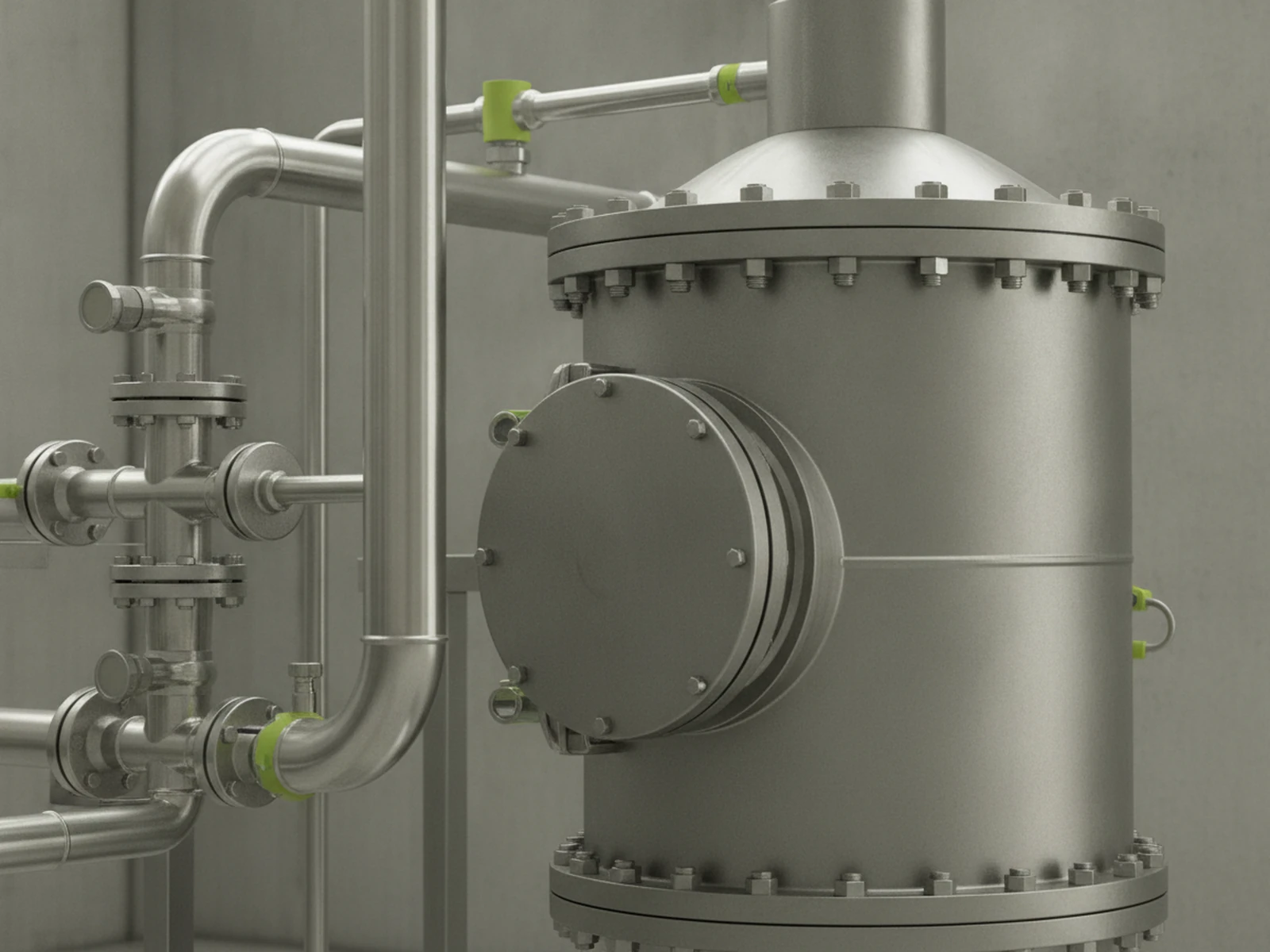
Gas combustion
The wood gas flows into the combustion chamber in the outer ring of the reactor, is mixed with oxygen and burned. This provides the larger share of the heat.
- combustion chamber in the outer ring
- 70 % of the thermal output
Step 04
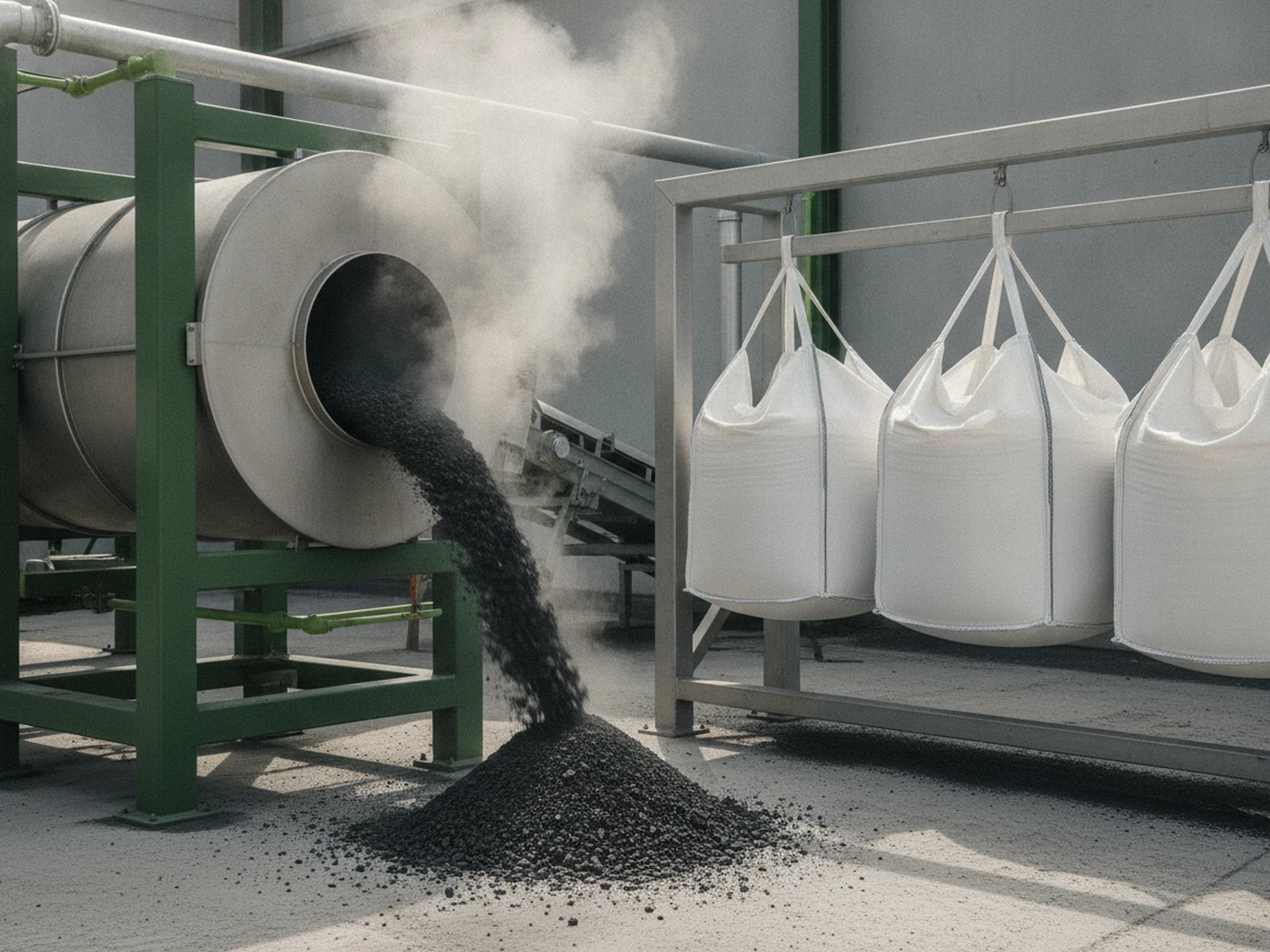
Discharge & cooling
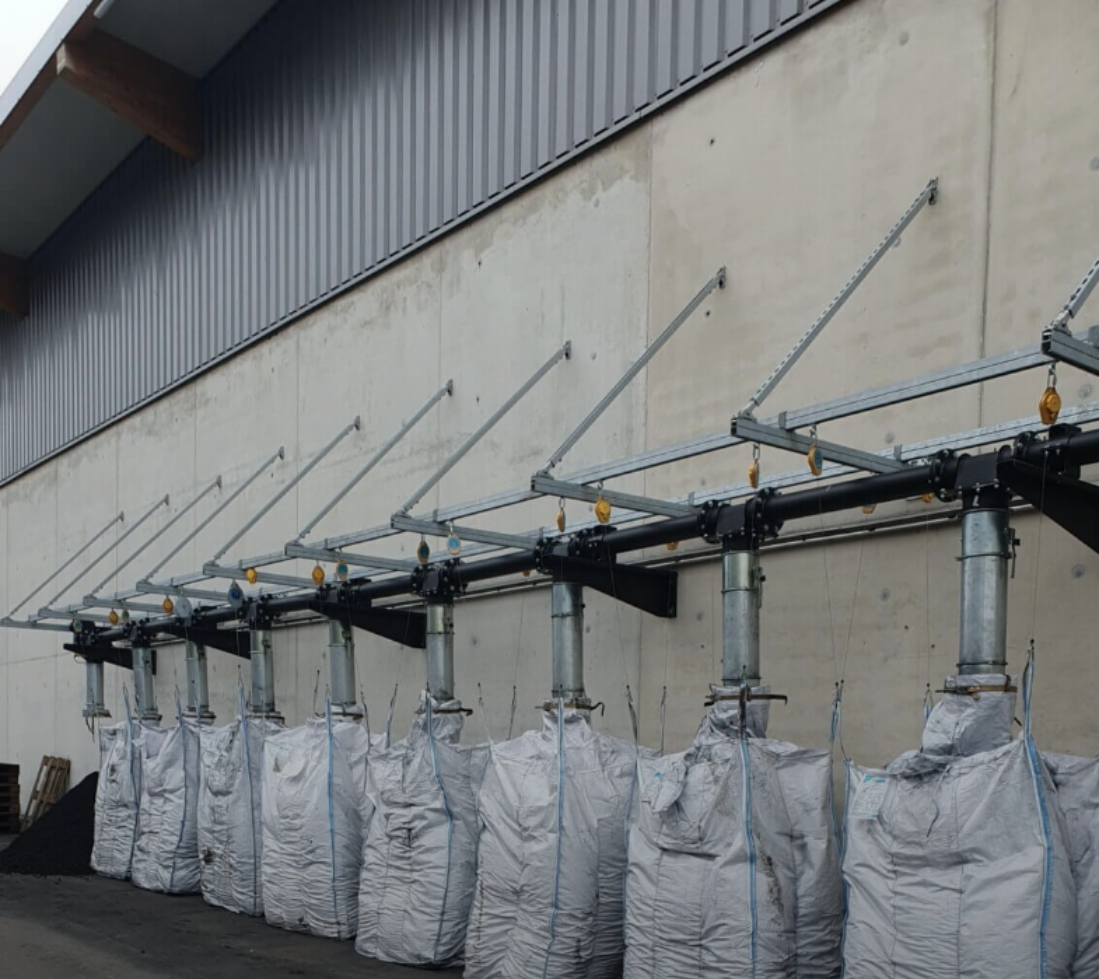
The biochar is cooled with water, discharged automatically and filled into big bags.
- cooling with water
- automatic discharge
- big bags
What is produced
These products come from the pyrolysis process
Three usable results come from the same run. You decide which benefit counts for your operation.
Heat
The plant runs thermally self-sufficient. The heat comes from the process and from gas combustion and is available as base load.
Biochar
The stable carbon body is cooled and discharged. One tonne of biochar binds 2.7 to 3.3 tonnes of CO₂ over hundreds of years.
CO₂ certificates
The sink can be traded as a CORC. Over 90 percent of the world's actually delivered permanent CO₂ removals come from biochar.
Next step
Understand how pyrolysis fits your operation.
Tell us your residues and your heat demand. We check feasibility at your site and show you which benefit arises for you.
You will receive a non-binding response within 24 hours.