
Municipal utilities & municipalities
Scalable base-load heat for municipal utilities and municipalities
Municipal utilities and municipalities secure the local heat supply. Pyrolysis delivers base-load heat modularly and binds carbon.
Starting point
Base-load heat secures stable grid operation
Grids need reliable heat. Fossil generation becomes more expensive and is under CO₂ pressure.
Your municipal heat planning needs a reliable base load. Regional biomass provides it, and a second value product brings revenue.
Reliable base load for the grid
Fossil generation under CO₂ pressure
A second value product from the same plant
In figures
What a plant delivers
Biomacon plants, calculated at around 8,000 operating hours per year.
160 to 900 kW
Thermal output
Heat from biomass, available year-round.
145 to 815 t/a
Biochar
Output per plant and year.
390 to 2,200 t CO₂/a
CO₂ certificates
1 t of biochar binds around 2.7 t of CO₂ equivalent.
Benefits
Secure the base load and deliver stable heat prices
Modular, calculable, marketed.
Modular
Several modules cover growing heat demand.
Heat price
We market carbon and certificates. The revenue lowers the heat price.
Supply
Biomass delivery and supply planning from a single source.
Biomass delivery in the DACH region
No biomass of your own?
Our supplier network covers the DACH region. Internationally we source the biomass individually and develop delivery concepts cooperatively.
- Regional supplier network
- Suitable biomass and volumes
- Delivery and supply planned with you
Local and district heating integration
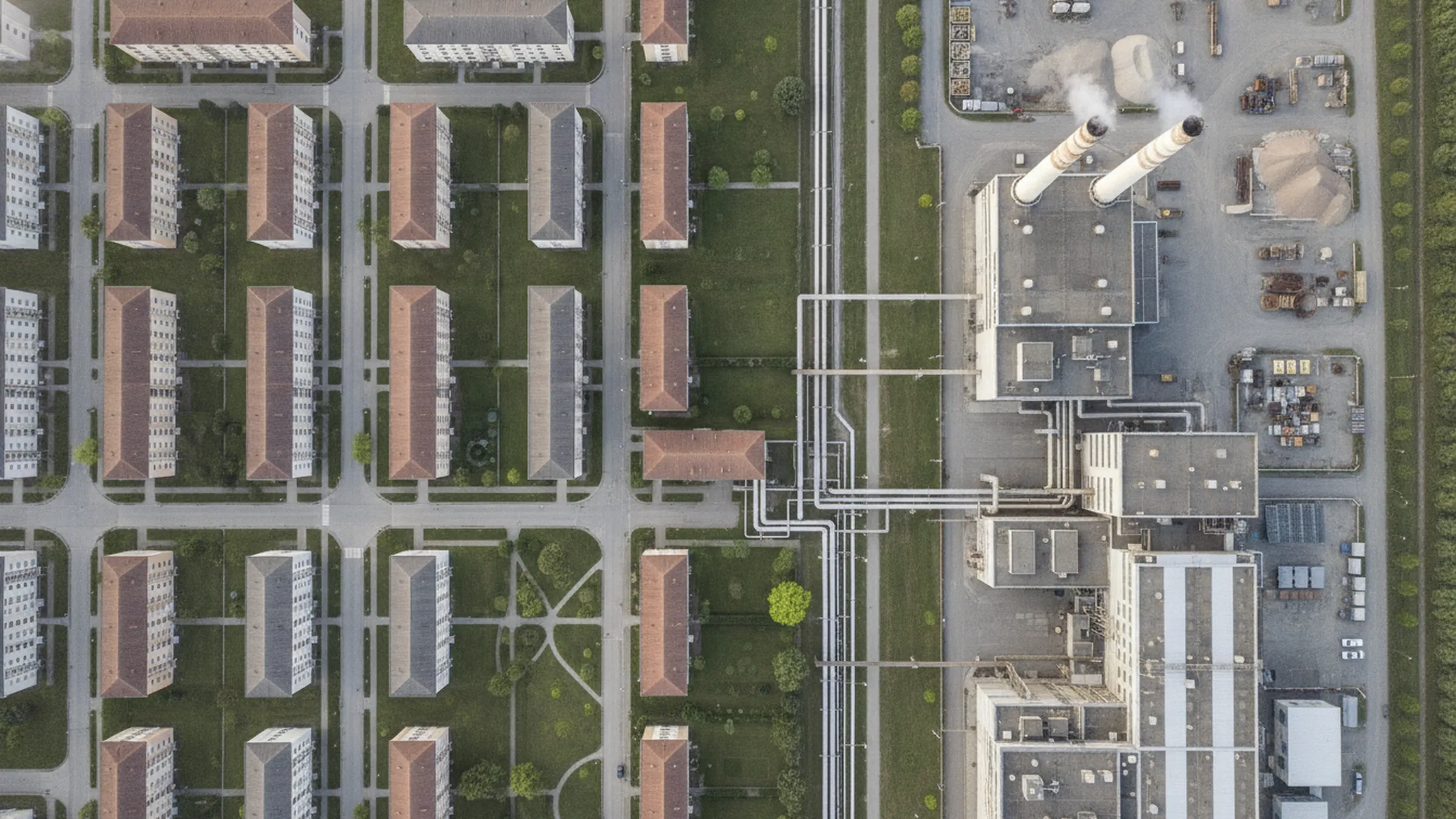
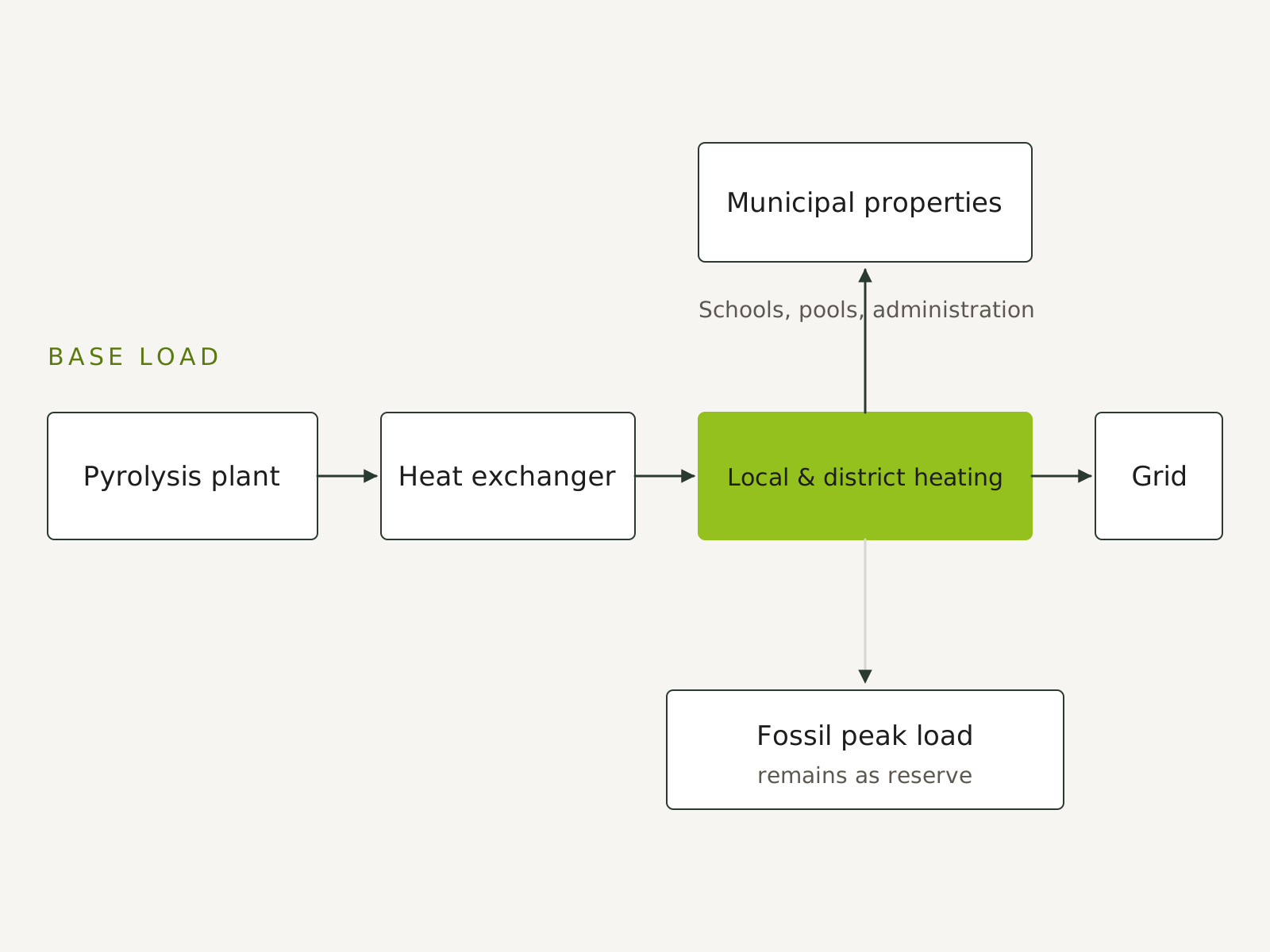
The plant feeds base-load heat into existing or new networks. Municipal properties and heat planning determine the design.
- Municipal properties: schools, pools and administration as fixed heat customers.
- Heat planning: the plant delivers base load, fossil peak load remains as reserve.
- Local and district heating: feed-in via treated hot water into existing or new networks.
Process
From first meeting to operation
- 01
Preliminary assessment: clarify site, demand and permitting status.
- 02
Site and biomass: define volumes, moisture and supply.
- 03
Concept and profitability: calculate sizing, revenue and funding.
- 04
Construction and commissioning: installation, connection and handover.
- 05
Operation and marketing: use the heat, monetize carbon and certificates.
Practice and partners
Technology from established manufacturers
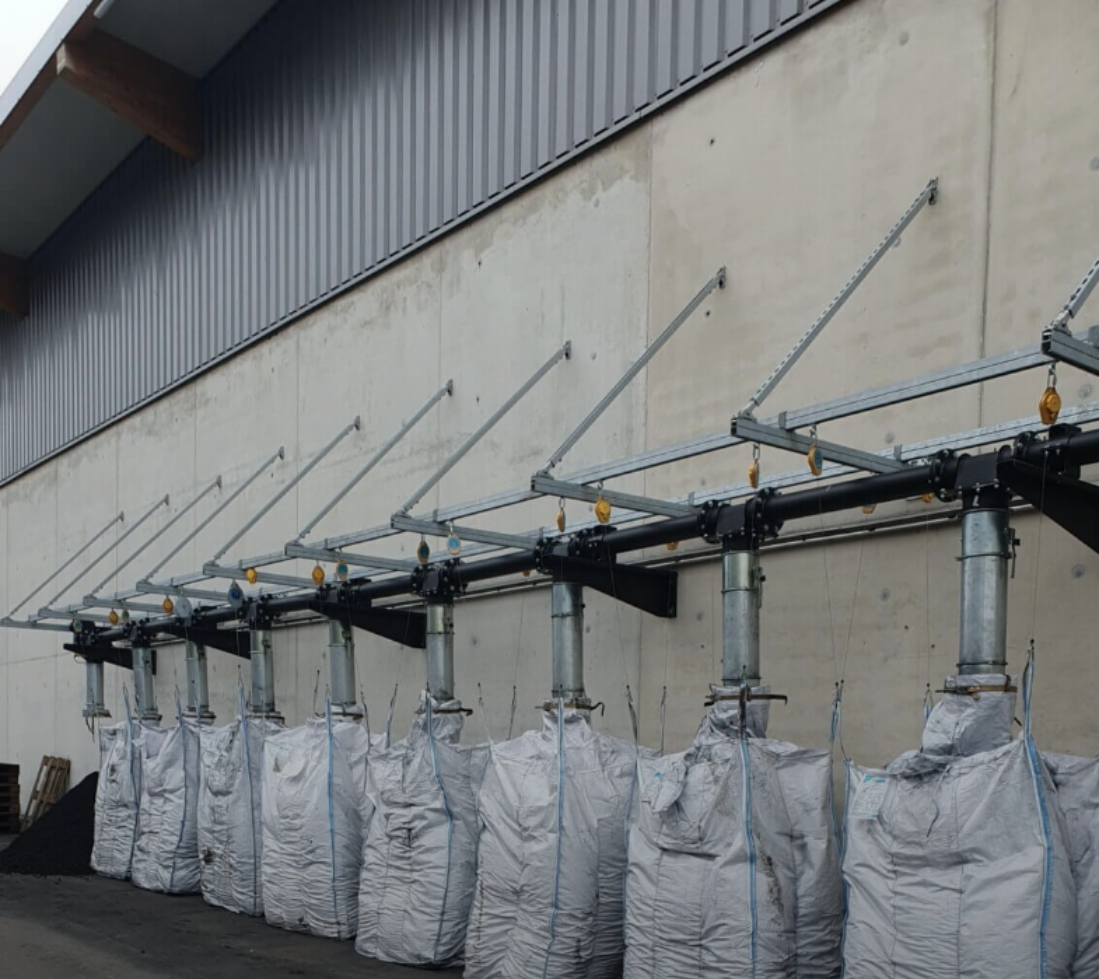
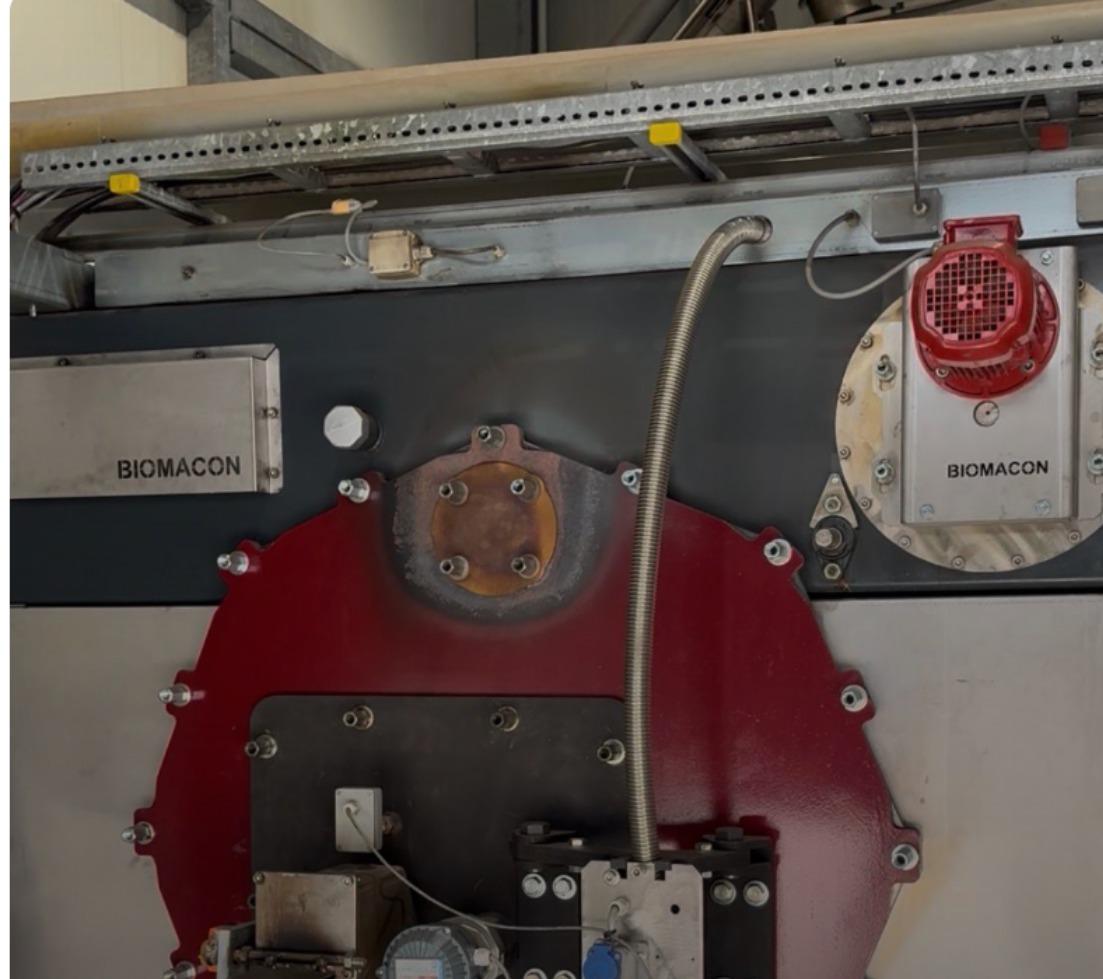
We work manufacturer-independent, among others with Biomacon.
The integrated systems run in continuous industrial operation. We are happy to invite you to tour a running plant.
Plant tours →Practice
Plant tours on site
Tour a carbonization plant in operation. You speak with operators and see the technology in daily use.
Request a quote
FAQ
Frequently asked questions
Do we need our own residues? +
No. Through our regional supplier network we deliver suitable biomass and plan the supply with you.
How does the plant scale? +
We plan modularly. Several modules cover growing heat demand.
Does the heat fit our grid? +
The design follows grid parameters and the load profile. The preliminary assessment delivers the numbers.
Who markets carbon and certificates? +
We do. The revenue lowers the heat price.
What does the preliminary assessment cost? +
The preliminary assessment is our entry product. Details are on the offer page.
Next step
Review base-load heat for your grid
Tell us your grid parameters, load profile and permitting status. We check feasibility for your location.
You will receive a non-binding response within 24 hours.